Loading page content...

Loading page content...
Hien Htet
Author
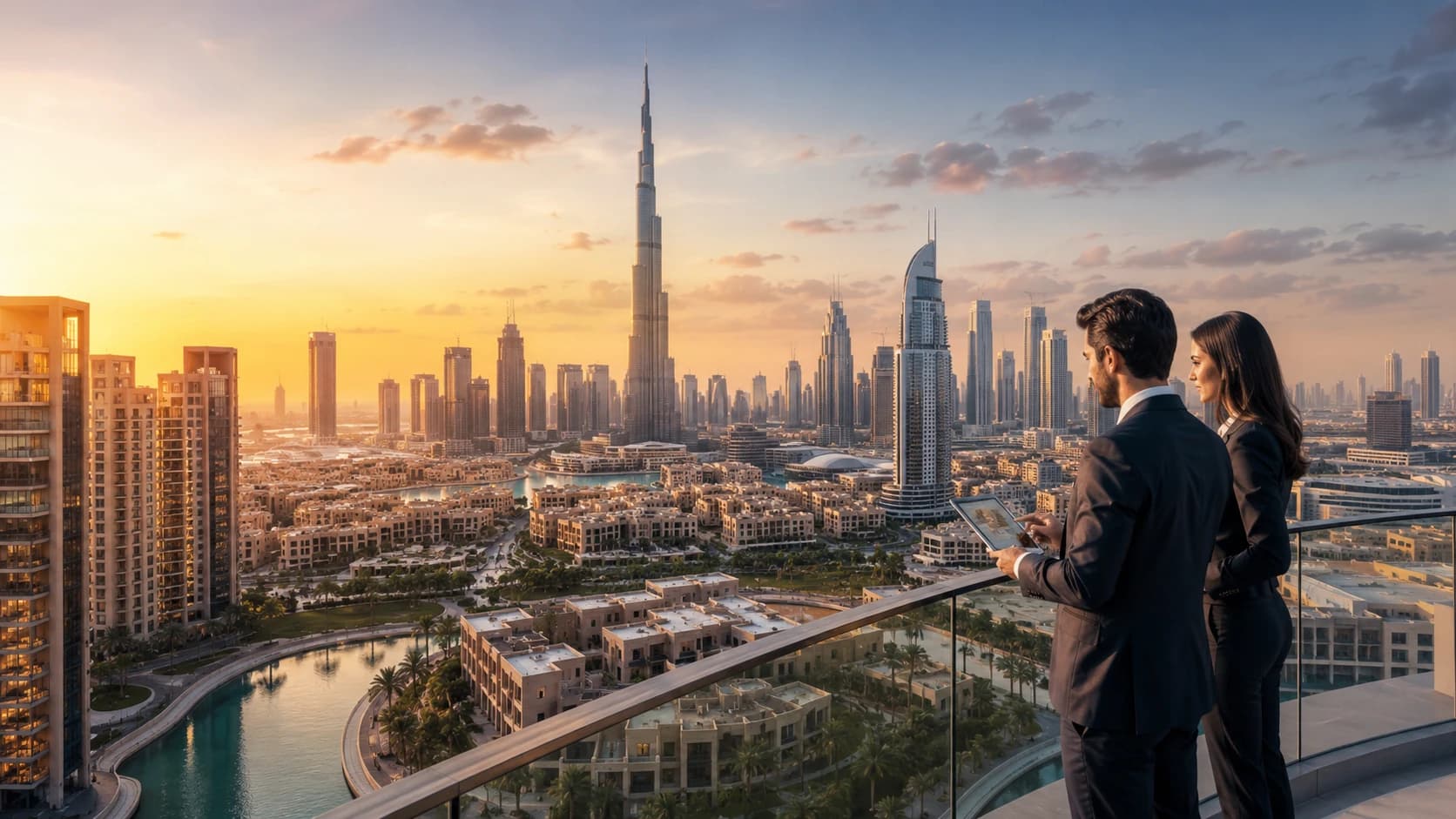
Discover how the Etihad Rail impact on UAE property market is driving demand, boosting connectivity, and increasing property values across Dubai.
The Etihad Rail impact on UAE property market is rapidly becoming one of the most influential forces shaping real estate demand across Dubai and the wider United Arab Emirates. As population growth accelerates and residential development expands beyond traditional urban cores, the emphasis has shifted from simply building homes to creating highly connected, future-ready communities.
Dubai’s infrastructure strategy has always been proactive. Rather than responding to congestion after it becomes critical, the city invests ahead of demand. This forward-thinking approach is precisely why the Etihad Rail impact on UAE property market is viewed as a long-term catalyst for property value growth, lifestyle improvement, and sustainable urban expansion.
Etihad Rail is the UAE’s national railway network, designed to connect all seven emirates through a modern passenger and freight rail system. Once fully operational, the network will link Dubai, Abu Dhabi, Sharjah, Fujairah, and key industrial and residential hubs through fast and reliable rail connectivity.
From a real estate perspective, the Etihad Rail impact on UAE property market is fundamentally about accessibility. Properties located near efficient transport networks consistently outperform those without such access, both in rental demand and long-term capital appreciation.
The passenger rail network includes 11 strategically located stations, carefully planned to serve:
This strategic station placement ensures that the Etihad Rail impact on UAE property market extends well beyond central Dubai.
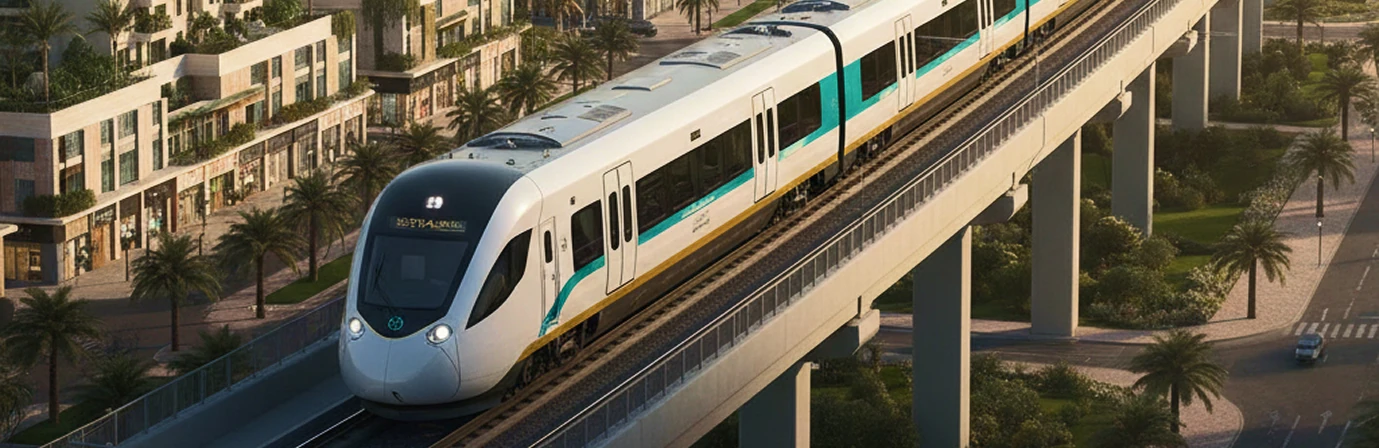
As Dubai’s population continues to rise, daily congestion on major corridors such as Sheikh Zayed Road and Emirates Road has become increasingly common. The Etihad Rail impact on UAE property market directly addresses this challenge by offering an efficient alternative to road-based commuting.
Etihad Rail is expected to transform daily travel by:
As commuting becomes faster and more predictable, residents enjoy better work-life balance, which directly increases residential desirability and property demand.
The Etihad Rail impact on UAE property market will not be uniform. Communities located near passenger stations and transport corridors are expected to see the strongest uplift in demand, rental performance, and long-term value.
Dubai’s main Etihad Rail passenger station is located near Jumeirah Golf Estates along Sheikh Mohammed Bin Zayed Road. This significantly strengthens the area’s connectivity while reinforcing its long-term appeal for both luxury buyers and investors.
Neighbouring communities expected to benefit include:
Improved rail access in these locations enhances commuting efficiency, reduces reliance on cars, and supports stronger residential demand.
Dubai South is particularly well positioned to benefit from the Etihad Rail impact on UAE property market due to its proximity to Al Maktoum International Airport and expanding logistics and commercial hubs. Enhanced rail connectivity supports rental demand from professionals working in aviation, logistics, and global trade sectors, strengthening long-term investment fundamentals.
In employment-heavy zones such as Jebel Ali, Etihad Rail introduces a reliable commuting alternative for professionals working in industrial, logistics, and port-related sectors. Improved access to jobs boosts residential appeal in nearby communities and supports balanced urban development.
One of the most powerful outcomes of the Etihad Rail impact on UAE property market is the enhanced connection between Abu Dhabi and Dubai. Faster inter-emirate travel allows residents to prioritise lifestyle, housing quality, and community design rather than living solely based on workplace proximity.
Across global real estate markets, strong transport infrastructure is consistently linked to superior property performance. The Etihad Rail impact on UAE property market follows this proven pattern.
Historically, rail-connected communities experience:
This makes Etihad Rail a critical driver of sustainable property growth across the UAE.
For residents, the Etihad Rail impact on UAE property market translates into easier daily commuting, improved connectivity between neighbourhoods, and access to communities previously considered distant from public transport. Reduced travel stress and enhanced mobility significantly improve overall quality of life.
For investors, the Etihad Rail impact on UAE property market represents infrastructure-led growth. Improved connectivity fuels rental demand in both emerging and established communities, supporting long-term capital appreciation and stable investment returns.
At a citywide level, the Etihad Rail impact on UAE property market reinforces Dubai’s vision for efficient, future-ready urban development. By aligning transport infrastructure with residential expansion and economic growth, Dubai continues to strengthen its position as a global real estate and investment destination.
Let our experts guide you through Dubai's luxury property market with personalized advice
Continue exploring insights about Dubai's real estate market