Loading page content...

Loading page content...
Hien Htet
Author
Invest in Dubai real estate 2026 with confidence. Discover where smart investors are buying, market trends, top areas, villas vs apartments, and long-term returns.
Dubai enters 2026 with exceptional momentum. Real estate transaction volumes recorded in 2025 have already exceeded the full-year performance of 2024, reinforcing Dubai’s position as one of the most resilient and transparent property markets globally. For those looking to invest in Dubai real estate 2026, the question is no longer whether opportunities exist, but how to identify them intelligently.
Population growth, employment expansion, and Dubai’s continued appeal as a global business and lifestyle hub are sustaining demand across both ownership and rental segments. While prices have risen significantly over the last cycle, the market is now transitioning into a more structured and sustainable phase that rewards informed, data-driven investors rather than speculative buyers.

Choosing to invest in Dubai real estate 2026 means entering a market that has matured beyond volatility and short-term speculation. After several years of rapid appreciation, pricing across many segments is stabilizing. This price moderation should not be mistaken for weakness. Instead, it signals a healthier balance between supply, demand, and affordability.
With additional residential supply scheduled for delivery across key districts, buyers now have greater selection power and improved negotiating leverage. At the same time, rental demand remains consistently strong, supported by workforce growth, international migration, and limited alternatives for long-term tenants.
Government policy stability, regulatory transparency, and consistent data publication from institutions such as the Dubai Land Department and the Dubai Statistics Centre further strengthen investor confidence. These fundamentals make 2026 an ideal entry point for those focused on sustainable returns rather than short-lived price spikes.
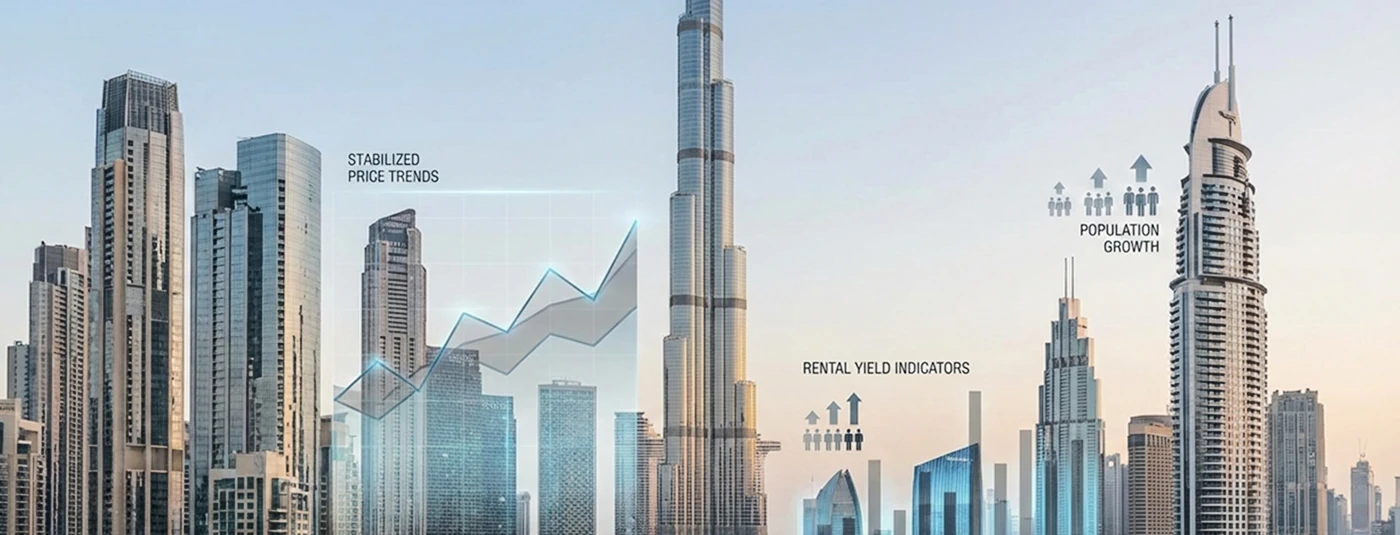
One of the most common mistakes investors make is treating Dubai as a single, unified property market. In reality, Dubai operates as a collection of highly localized micro-markets. Performance varies dramatically depending on location, property type, buyer profile, and timing of supply delivery.
Smart investors looking to invest in Dubai real estate 2026 evaluate layered indicators beyond headline prices. These include demographic shifts, employment density, mortgage activity, absorption rates, rental performance by community, and leverage levels across buyer segments. Official data consistently shows that demand remains strongest in areas aligned with employment hubs, transport connectivity, and family-oriented communities.
This segmented structure allows informed investors to outperform the broader market by selecting assets that align with long-term demand drivers rather than general sentiment.
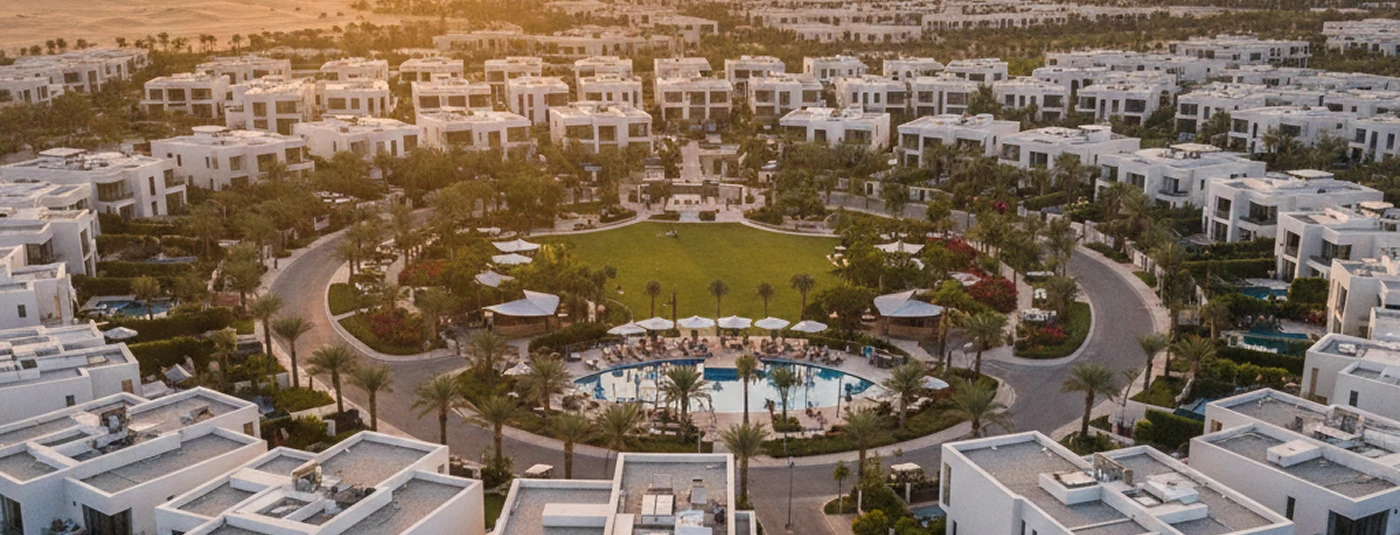
Off-plan transactions continue to serve as a critical confidence indicator for anyone planning to invest in Dubai real estate 2026. Strong off-plan absorption at realistic price points reflects genuine participation from end users and long-term investors rather than speculative flipping.
However, experienced buyers now look beyond launch sales alone. A notable portion of off-plan inventory actively trades in the secondary market before completion, effectively increasing available supply ahead of handover. This phenomenon creates additional liquidity and flexibility within certain sub-markets, even though it is not always reflected in traditional pipeline statistics.
Understanding the difference between launched units, sold inventory, and tradable off-plan stock is essential for accurately assessing supply risk and pricing dynamics in 2026.
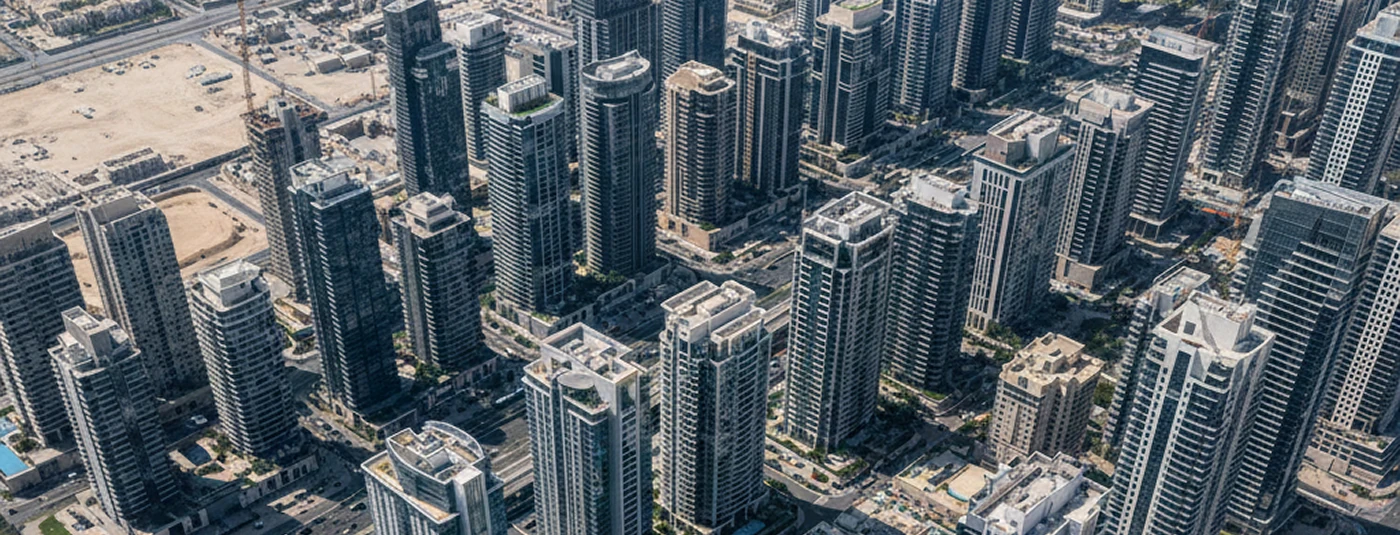
Completed properties continue to experience strong absorption, driven by immediate occupancy needs and consistent end-user demand. Established, well-connected communities benefit most from this trend, particularly where infrastructure, retail, and transport networks are already in place.
Within the off-plan segment, supply growth is increasingly location-specific rather than citywide. This creates defined opportunity zones where buyers benefit from greater choice and stronger negotiating power. Rather than diluting value, this structure rewards investors who prioritize quality, developer reputation, and realistic pricing within proven locations.
For those aiming to invest in Dubai real estate 2026, success lies in understanding which sub-markets offer genuine differentiation rather than assuming uniform performance across all developments.
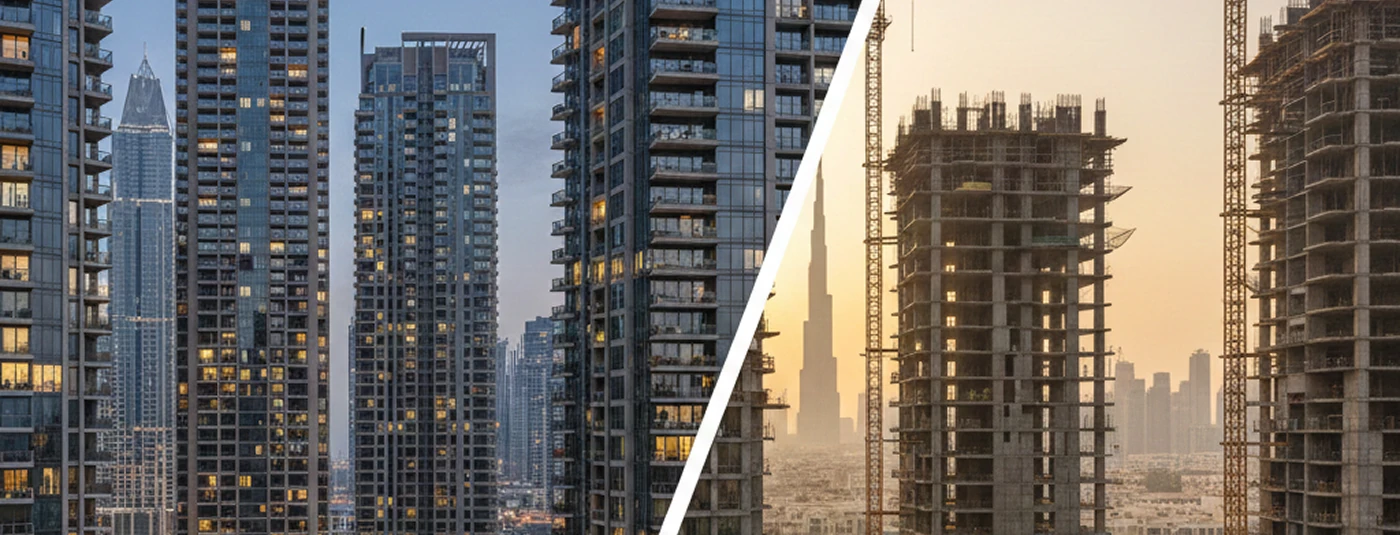
Several communities continue to attract higher volumes of apartment supply, reflecting Dubai’s proactive approach to meeting housing demand. Districts such as Jumeirah Village Circle, Business Bay, Dubai Sports City, Dubai Silicon Oasis, Town Square, Arjan, and Dubai Studio City remain high-activity residential hubs.
These areas share a mid-market profile with strong rental liquidity and consistent tenant demand. While supply volumes are higher, activity remains community-specific rather than market-wide. This allows investors who invest in Dubai real estate 2026 to position competitively by selecting superior layouts, well-managed buildings, and developers with strong delivery records.
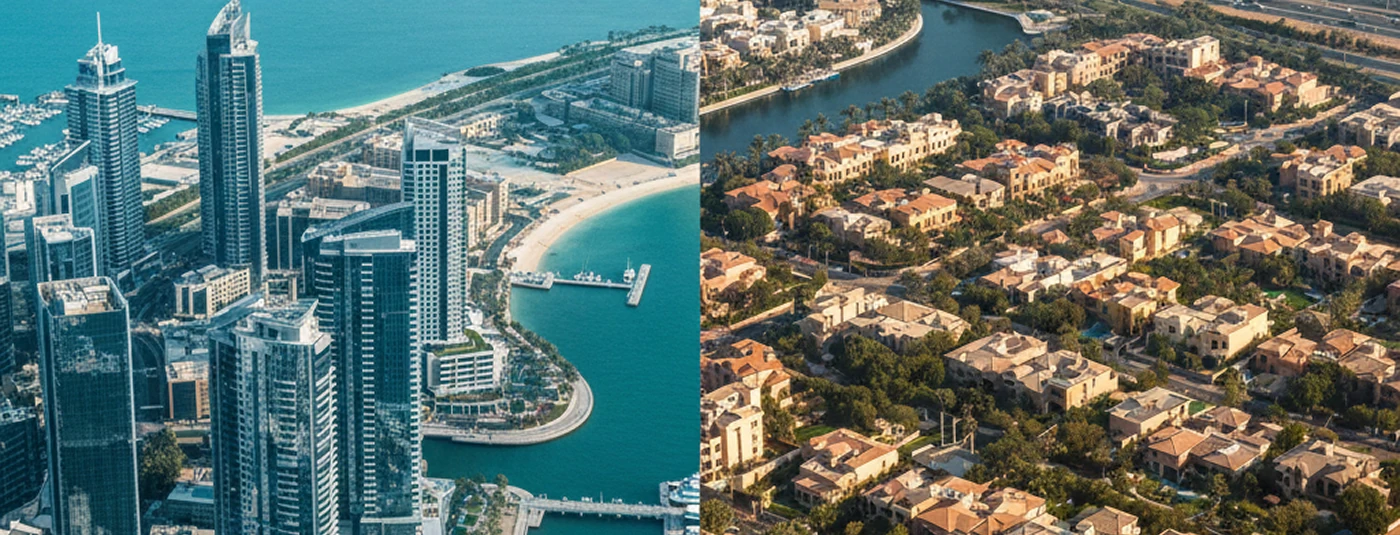
Villa communities continue to outperform many other segments of the market. Demand remains driven by end users seeking long-term family living, lifestyle amenities, and community infrastructure. Unlike apartments, villa supply is released more gradually, supporting long-term price stability.
For investors planning to invest in Dubai real estate 2026, villas offer resilience across market cycles when selected carefully. Entry pricing, construction quality, accessibility, and the maturity of surrounding infrastructure play a decisive role in long-term performance. Established villa neighborhoods continue to benefit from sustained occupancy and limited direct competition.

Investor behavior in 2026 reflects a more disciplined and analytical mindset. Rather than exiting the market, experienced buyers are refining their strategies. They focus on cash-flow sustainability, proven rental demand, and conservative return assumptions. Overleveraging is being avoided, even as financing remains accessible.
Those who invest in Dubai real estate 2026 successfully are diversifying across asset types and communities, selecting developers with consistent delivery histories, and prioritizing long-term fundamentals over short-term momentum. This approach mirrors the evolution of Dubai’s real estate market into a mature, institutionally aligned investment environment.
For long-term investors, 2026 presents a well-balanced and data-supported environment. Price stabilization, broader inventory choice, strong rental demand, and regulatory transparency create conditions where informed decisions can be made with confidence.
Dubai’s real estate market today is structurally stronger, more regulated, and more resilient than in previous cycles. Population growth, economic diversification, and sustained end-user demand continue to support long-term value across multiple segments.
Those who choose to invest in Dubai real estate 2026 with a focus on quality assets, realistic pricing, and enduring fundamentals are well-positioned to benefit from Dubai’s long-term growth trajectory.

Yes, 2025 is considered favorable due to stable prices, strong rental demand, and continued population growth in major property markets such as Dubai.
Property investment in 2025 benefits from improving affordability, steady yields, and long-term urban development plans supporting price stability.
The market outlook for 2025 remains positive, especially in cities with infrastructure expansion and investor-friendly regulations.
Average rental yields in Dubai are projected between 6% and 8%, with additional upside from capital appreciation in prime locations.
Selling in 2026 may be advantageous for owners in high-demand areas as buyer activity and resale demand are expected to remain strong.
Current forecasts do not indicate a major recession, and real estate is expected to remain resilient due to demand for housing and rental income.
The 2026 property market is expected to benefit from normalized interest rates, sustained demand, and maturing developments.
The 2% rule suggests that a property’s monthly rent should equal 2% of its purchase price to indicate strong cash flow potential.
Multiply the purchase price by 0.02 to estimate the target monthly rental income.
In property investing, it is a quick screening method to assess rental income potential before deeper financial analysis.
The 1% rule recommends monthly rent equal to 1% of the purchase price, commonly used in stable or high-value markets.
A 2% monthly rent benchmark is strong for cash flow but should be evaluated alongside expenses and long-term appreciation.
Multiply the total property price by 0.02 to determine the 2% value.
Real estate is generally less volatile than stocks and offers income stability through rental yields.
Yes, platforms like YouTube and TikTok are highly effective for showcasing property value, lifestyle, and investment potential.
Let our experts guide you through Dubai's luxury property market with personalized advice
Continue exploring insights about Dubai's real estate market